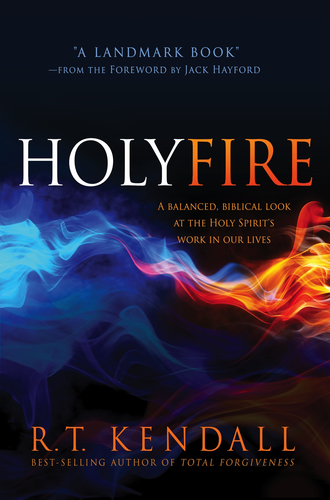
R. T. Kendall: Holy Fire, reviewed by Mark Sandford

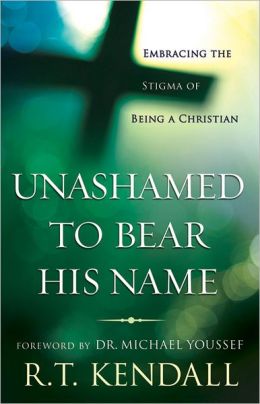
 R. T. Kendall, Holy Fire: A Balanced, Biblical Look at the Holy Spirit’s Work in Our Lives (Lake Mary: Charisma House, 2014), 256 pages, ISBN 9781621366041.
In his prologue, R.T. Kendall sums up the purpose for Holy Fire: to end the “silent divorce…between the Word and the Spirit.” He laments that in any divorce, children are tempted to side with either parent. In this case, there are those who presume that being biblically grounded means relegating the gifts of the Holy Spirit to the apostolic age. And there are those whose use of the gifts is, at times, so biblically ungrounded that their opponents’ stance can seem almost plausible. The vitriol spewed by internet attack dogs is too often matched by the foolishness of some of the Charismatics they attack. I have prayed that someone would write a balanced answer to both sides. R. T.’s humble remonstrations are an answer to that prayer.
So many have built a case to demolish not only the opposing viewpoint, but more pointedly, the persons who hold it! But R. T. offers insights that are not only Biblically sound and scholastically adept; he comes across with a quality equally rare on either side of the debate — love that dignifies even his opponents. As if intervening between squabbling siblings, he sits us both down like a father and makes a solid case for contemporary use of the gifts of the Spirit, while honoring brothers who disagree. More blessedly, he bids both sides to fess up to their own faults in the matter, while inciting no shame. It’s a balancing act that only true father can pull off.
This loving balance is, in the end, what will sway readers of either stripe more than anything. R. T. points out that one of the very originators of cessationism (the idea that the gifts of the Spirit ceased after the time of the apostles), John Calvin, said in his Institutes of the Christian Religion that we know the Bible is the word of God “by the inner testimony of the Holy Spirit” (p 35). R. T.’s ability to locate such common ground is an expression of an understanding heart that has won him respect and a listening ear in both camps.
For those who believe the gifts are indeed for our time, R.T. offers up a soundly biblical renunciation of the kind of ham-fisted arguments that mark, for instance, John MacArthur’s Strange Fire. But he steers Charismatic readers away from an unhealthy focus on who is right and who is wrong in the gifts vs. no-gifts controversy. In its stead, he leads them through a course of self-examination, to ferret out whatever in their own hearts might have led some of them to offer holy fire in such a strange and unsanctified way — including the sins of pride and licentiousness that have motivated the stage antics of faith healers, excessive teachings on prosperity, and a focus on gifts instead of character. R. T. minces no words about the excesses of the Charismatic movement. But unlike its shrill detractors, he offers fatherly corrections aimed at encouraging the Holy Spirit’s work in today’s church, not quenching it.
On the last page of Holy Fire, R. T. leaves us with a most encouraging quote from Smith Wigglesworth:
When the new church phase is on the wane, there will be evidenced in the churches something that has not been seen before: a coming together of those with an emphasis on the Word and those with an emphasis on the Spirit. When the Spirit and the Word come together, there will be the biggest movement of the Holy Spirit that the nation, and indeed the world, has ever seen. It will mark the beginning of a revival that will eclipse anything that has been witnessed within these shores, even the Wesleyan and Welsh revivals of former years (p 176).
That blessed day will come more speedily when heralded by voices that honor both the Spirit and the Word as well as each other. A Christian message can soften hardened hearts only when spoken from the heart of Christ. Someone once said, “The messenger is the message.” Such is the voice of R. T. Kendall in Holy Fire.
Reviewed by Mark Sandford
Further Reading:
Craig S. Keener’s review of Holy Fire
Tony Richie’s review of Holy Fire
“Are Pentecostals offering Strange Fire?” The panel discussion at PneumaReview.com about John MacArthur’s Strange Fire