
A Pentecostal Perspective on Healing from Sexual Violence: An interview with Pamela F. Engelbert
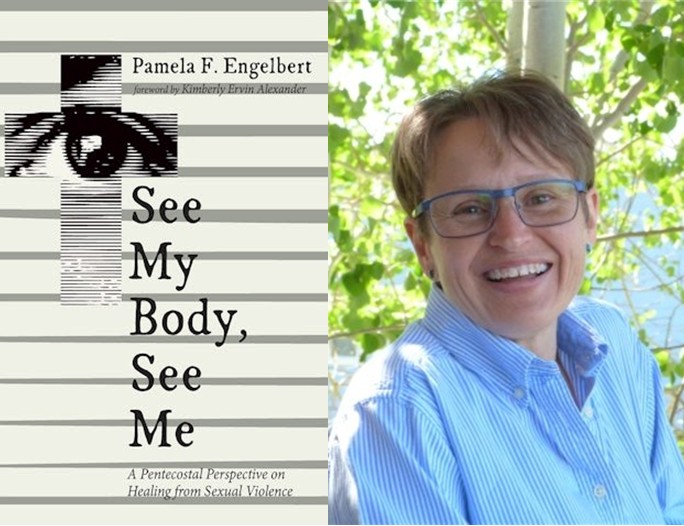
Introduction from the Publisher: #MeToo. #ChurchToo. #pentecostalsisterstoo. Since 2018, hashtags and stories of sexual violence have appeared in all sectors of life from Hollywood to the Olympics; from politics to religion; from universities to seminaries; and among pentecostals. But amid all these stories of sexual abuse and assaults, one may wonder if any stories of healing from sexual violence exist. If so, what does healing look like, particularly among pentecostals who believe in divine healing? Is it a single prayer of faith or a conglomeration of healing factors? In true pentecostal form, See My Body, See Me systematically examines the healing stories of eight pentecostal survivors and the experiences of five pentecostal licensed counselors. It then combines these experiences of both males and females with Scripture, theology, psychology, and culture to provide a pentecostal perspective on healing from sexual violence. As a practical theological approach, See My Body, See Me also offers acts of ministry to provide healing spaces by way of three embodied praxes that are historically and theologically pentecostal: listening, waiting, and learning. See My Body, See Me is an invitation to participate in Christ’s healing ministry to see, hear, and believe survivors as God sees, hears, and believes them.
Interview with Dr. Pamela F. Engelbert
What is a short synopsis of the book?
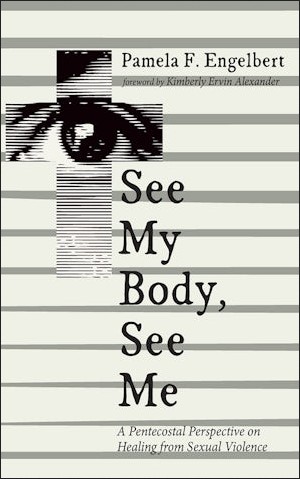
Pamela F. Engelbert, See My Body, See Me: A Pentecostal Perspective on Healing from Sexual Violence (Pickwick Publications, 2024)
This book is divided into two parts: a) a description of how pentecostals heal from sexual violence, and b) an invitation to the church to provide a safe place for survivors. The first part recounts the healing journeys of survivor-participants while the second part offers specific pentecostal praxes to cultivate safe environments for survivors. This book draws from real stories of pentecostal survivors and licensed counselors. It then looks at those stories through the lens of psychology, culture, theology, and Scripture to form a fuller theological understanding of the healing journey from sexual violence.
What type of book is it?
The person sitting next to you in the pew or the person leading on the platform could be a survivor. What are we doing about it?
Why did you write this book?
For a number of years, I had wondered how other pentecostals experienced healing from sexual violence because of my own healing journey. While walking and praying in 2018 or 2019, I sensed a distinct call in which I knew that I knew that this was the topic I was to research. Yet, I also questioned that call since I am a survivor of sexual violence. However, when a colleague said to me, “God gives us questions through our experiences,” I became more confident in pursuing this topic.
What is the meaning of the title See My Body, See Me?
The title of the book, See My Body, See Me, calls pentecostals to see beyond the body of a person to see a person’s entire being rather than objects to be consumed or jettisoned.
For whom is the book intended?
This book is geared toward those who are pursuing higher education, particularly a master’s degree or a PhD. It is also for those in the academy because they are challenging pentecostals to be places of healing for survivors of sexual violence, and this is a response to that challenge. Yet, it is also for ministers and counselors from whom survivors request help. Finally, and maybe most importantly, it is for pentecostals who desire to nurture healing in the life of the one who says to them, “I was sexually violated.”
What do you hope people will take away from this book?
a) Since a survivor may be the person sitting next to you in the pew or leading on the platform, what are we doing about it?
b) Healing from sexual violence is not instantaneous but a long, unpredictable journey. How are we prepared for the long haul to walk alongside survivors?
c) Pentecostals are in a unique place to be safe places of healing for survivors because of our belief in healing. How are we participating in the ongoing healing ministry of the Spirit in a survivor’s life?
PR
Further Reading
The Long Journey Home An interview with Andrew Schmutzer about The Long Journey Home: Understanding and Ministering to the Sexually Abused.
Bradford McCall reviews Andrew J. Schmutzer’s article, “A Theology of Sexual Abuse: A Reflection on Creation and Devastation” that appeared in JETS 51:4 (Dec 2008).
Mara Lief Crabtree reviews Jennifer Cisney’s article, “Healing From the Pain of Sexual Assault” Enrichment (Spring 2009).
A Charge for Church Leadership: Speaking Out Against Sexual Abuse and Ministering to Survivors: Part 1 and Part 2. Excerpts from The Long Journey Home: Understanding and Ministering to the Sexually Abused.
Churches Bring #MeToo To The Pulpit
Andrew J. Schmutzer, “Sexual Abuse, by Any Other Name?”

Category: Ministry, Winter 2026

 Followers
 Fans
Fans