Paul Hattaway: Fujian: The Blessed Province
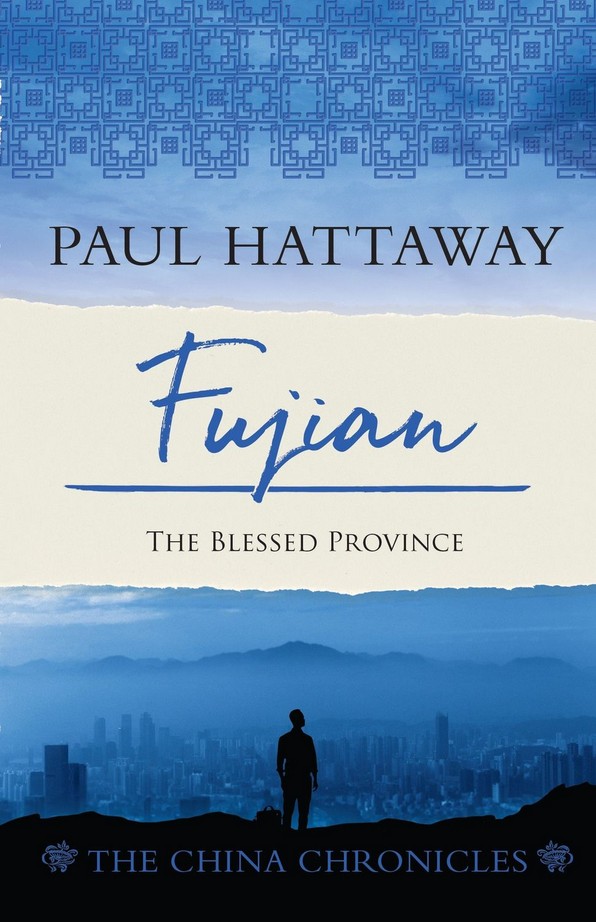 Paul Hattaway, Fujian: The Blessed Province (United Kingdom: Langham Global Library, 2025), 368 pages. ISBN-10:1786411326, ISBN-13:978-1786411327
This book is the latest release in Paul Hattaway’s “China Chronicles” series. Each book is published not only in English but also in Chinese, the author’s intent in writing them is “primarily to bless and encourage the persecuted church in China” (page xii). Thousands of copies of these books are distributed for free in the house church networks in China (xii). Those of us in the West reap the benefit of being able to read this important Chinese Christian history.
As the title indicates, this present volume focuses on the province of Fujian. Fujian Province is located along the southeastern coast of China (pages v, 1). As of 2020 it had a population of 41,540,086 (page vi). Fujian has over 2,200 islands and has the greatest forests of any Chinese province, 63% of the land is forests (page 2).
While different ethnic groups live in the province the majority of the population are Han Chinese, making up 98.3% of the population (page vi). The people in Fujian speak a number of different Chinese dialects and languages that are very different from Mandarin, which is the national language (page vii). Some people from Fujian Province have moved to other Asian countries including Singapore, Thailand, Indonesia, and the Philippines (page vii). The residents of Fujian are more religious than the people of many provinces in China (page 9), they honor a number of different deities (page 10).
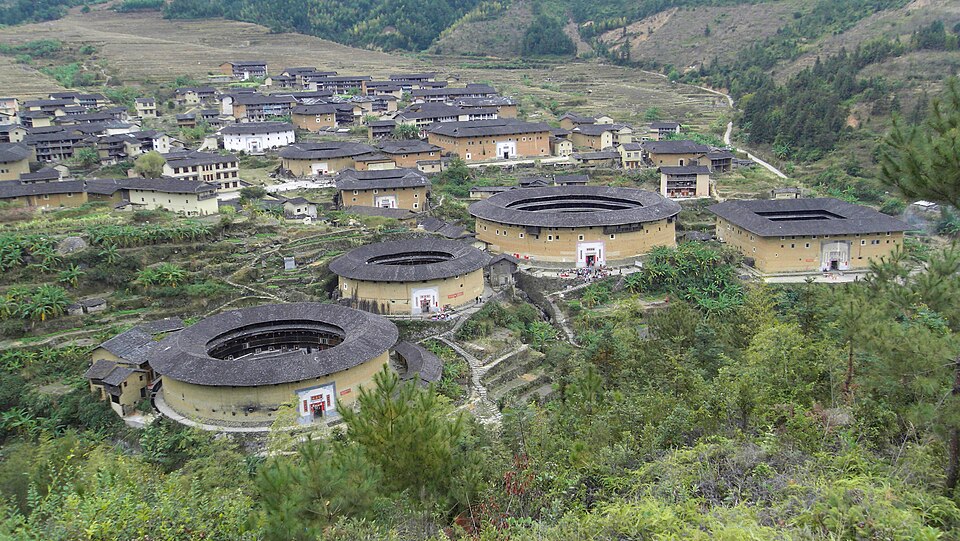
Chuxi Tulou cluster in Fujian Province.
Image: via WikiMedia Commons.
The gospel was introduced in Fujian Province over 1,000 years ago by the Nestorians (page 11). The Catholic Church established itself in the province in the 1300s and about 500 years later Evangelicals came into Fujian (page 11). The gospel message had to overcome significant challenges, securing a foothold in the province in the 19th century (page 11). However, the province was home to two well-known Christian ministers: John Sung and Watchman Nee (page 11). Although from the 1980s until the present day the province has not had the powerful revival accounts of other parts of China, it does have some notable statistics. There are about 5.8 million Christians (Catholics and Evangelicals) in the province (page 12). This is 14.7 % of the people who live there, this places it 5th among all the Chinese provinces (page 12). The church in Fujian has had to deal with a lack of Bibles and the challenge of cults (page 12).
The book is comprised of chapters devoted to different decades, key events, and important individuals (pages ix, x). Catholics and Evangelicals are included in the book. Like the other books in the “China Chronicles” series, this present volume also contains pictures throughout the text and appendixes at the end of the book. The appendixes include important facts and figures about the people of Fujian, what may be of particular interest to readers is the attention given to the Christian population in the province.
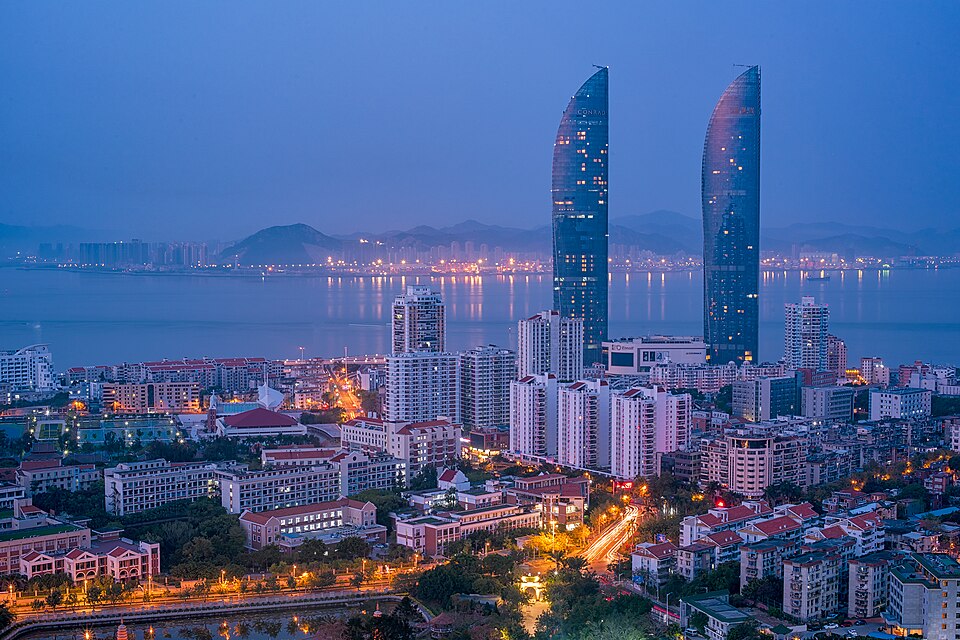
Misty Morning in Xiamen, China
Image: Jay Huang
In the book the author writes about various missionaries who labored in Fujian. As we begin to consider some of them, I will start by mentioning two men and two women who are among the lesser-known missionaries. These missionaries are: John Wolfe, Amy Oxley-Wilkinson, Margaret Barber, and Leland Wang. There are also others that I did not mention who are included in the book. Those that I did mention each have a chapter devoted to them.
John Wolfe was an Irishman who served in Fujian for 53 years (pages 67-68). He was highly respected by the Chinese believers who referred to him as “The Fujian Moses,” because of their respect for him and his long beard (page 68). In time three of Wolfe’s daughters served in Fujian as missionaries (pages 68-69).
Amy Oxley-Wilkinson, came from a well-to-do family, she left that to serve the physical and spiritual needs of the Chinese, and she had a particular burden for blind children (pages 127, 129). She received the highest honor a foreigner could then receive in China, The Order of the Golden Grain, awarded by the Republic of China’s president (page 132).
Margaret Barber was born in England (page 146), a good part of her ministry was hidden because she gave herself to intercession, but she was highly regarded by some of the most well-known Christian leaders of the time (pages 145-146). She began her ministry as an Anglican missionary but later became an independent missionary (pages 146, 148). She had an impact on a well-known Christian leader mentioned in the book, that person was Watchman Nee (page 152).
Leland Wang was a Chinese national who emerged as a leader in the church in Fujian Province (page 155). He evangelized on the streets and founded the “Chinese Foreign Missionary Union” (page 158). He preached in a number of places around the world and established churches in: “the United States, Canada, Europe, and the Middle East” (page 158).
Two names that many western readers may know that are mentioned in Fujian: The Blessed Province are John Sung and Watchman Nee. They each have two chapters devoted to them in the book (page 11).
John Sung was the son of a Methodist preacher and participated with his father in ministry (page 167). The 1909 Putian (Hinghwa) Revival had a big impact on him (page 167). His ministry was relatively brief. Hattaway, citing a quote of Paul Kauffman, calls our attention to the fact that Sung’s public ministry was only 15 years long (page 166), yet his impact was significant. He ministered not only in Fujian Province but in many other Chinese provinces as well (page 167).
God’s work is carried forward by well-known Christians and little-known Christians.
Fujian: The Blessed Province, like the other books in the “China Chronicles” series, is rich in information. It demonstrates to us that God’s work is carried forward by well-known Christians and little-known Christians. As each one faithfully does their part this contributes to the overall growth of the gospel. The lives of the Chinese believers offer us both inspiration and challenge. And they show us what God can do with yielded and obedient servants.
Reviewed by John Lathrop
From the Asia Harvest website: https://www.asiaharvest.org/bookstore/Fujian-The-Blessed-Province-The-China-Chronicles-N%C2%BA9-p752236177
Further Reading
Li Shiguang, “Marking Rev. John Sung’s 120th Birthday, Pastor Edwin Su Wenfeng Urges Chinese Christians to Carry on the Fire of Revival” China Christian Daily (November 9, 2021).
“1909 Hinghwa Revival” Romans1015.com

Category: Church History, Fall 2025

 Followers
 Fans
Fans